+86 - 158 7555 3143
In the manufacturing process of modern electronic products, auxiliary materials play a crucial role. These materials are diverse and include rubber, single/double-sided adhesive tapes, foam, plastics, metal foil, optical films, protective films, mesh, hot-melt tapes, and more. These materials serve multiple functions in electronic products, including bonding, securing, electrical shielding, insulation, fire resistance, flame retardancy, high-temperature resistance, shock absorption and cushioning, sealing, dustproofing, slip resistance, masking, thermal insulation, sound insulation, filtration, and protection.
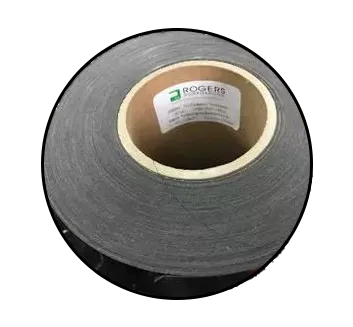
Rubber
Characteristics: Rubber offers excellent elasticity and flexibility, capable of withstanding significant deformation without breaking.
Applications: Commonly used in cushioning pads, sealing rings, and other components to protect electronics from impact and vibration.
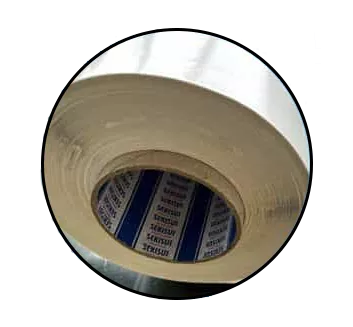
Single-Sided Tape
Characteristics: Single-sided tape has an adhesive coating on one side and a smooth surface on the other, allowing for easy application and removal.
Applications: Widely used for securing and temporary bonding in electronic devices, such as applying screen protectors.
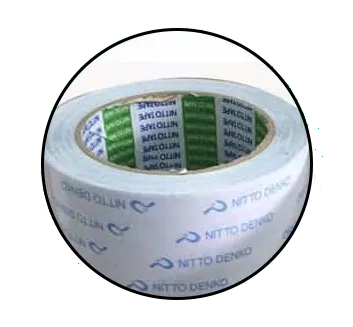
Double-Sided Tape
Characteristics: Double-sided tape is coated with adhesive on both sides, making it suitable for bonding two different materials together.
Applications: Frequently used to secure internal components of electronic devices, such as batteries and motherboards.
Foam
Characteristics: Foam materials are lightweight, soft, and provide excellent cushioning properties.
Applications: Used for internal padding and shock absorption in electronics, protecting sensitive parts from impact.
Plastic
Characteristics: Plastic materials are diverse, easy to process, and cost-effective.
Applications: Commonly used to manufacture structural components like device housings and brackets.
Metal Foil Tape
Characteristics: Metal foil tape offers high strength and excellent electrical conductivity.
Applications: Often used for electrical connections and electromagnetic shielding in electronic products.
Optical Film
Characteristics: Optical films are highly transparent and possess specific optical properties.
Applications: Used to enhance display performance in electronic screens, such as brightness enhancement films and polarizing films.
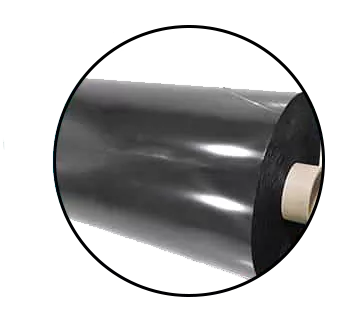
Protective Film
Characteristics: Protective films typically offer scratch resistance, anti-fingerprint properties, and other protective features.
Applications: Applied to screens and surfaces of electronic devices to extend product lifespan.
Mesh Screen
Characteristics: Mesh screens are breathable and provide filtration and protective functions.
Applications: Used in ventilation openings and to shield certain components from dust and debris in electronic devices.
When choosing auxiliary materials for your electronic products, consider the following factors:
Application Environment: Select materials suited to the operating conditions. For example, outdoor equipment may require materials with better weather resistance.
Material Properties: Match the material's key characteristics (e.g., conductivity, thermal resistance, adhesion strength) to your specific technical requirements.
Quality and Compliance: Source materials from suppliers who can guarantee consistent quality and provide evidence of compliance with relevant industry standards and regulations (e.g., UL, RoHS).
Environmental Considerations: Opt for environmentally preferred materials that meet regulatory requirements and sustainability goals.
Cost-Effectiveness: Balance performance and quality with budget constraints to find the most cost-effective solution.
Supplier Reliability: Choose a reputable supplier who offers robust technical support and can provide effective solutions throughout your product development and manufacturing process.
| Sales - Mrs Lulu |
 |
| Sales - Mr Tom |
|
| Sales - Miss SaSa |
|
| Sales - Mr Jason |
|